AI-Powered Color Palettes: A Game Changer for Designers
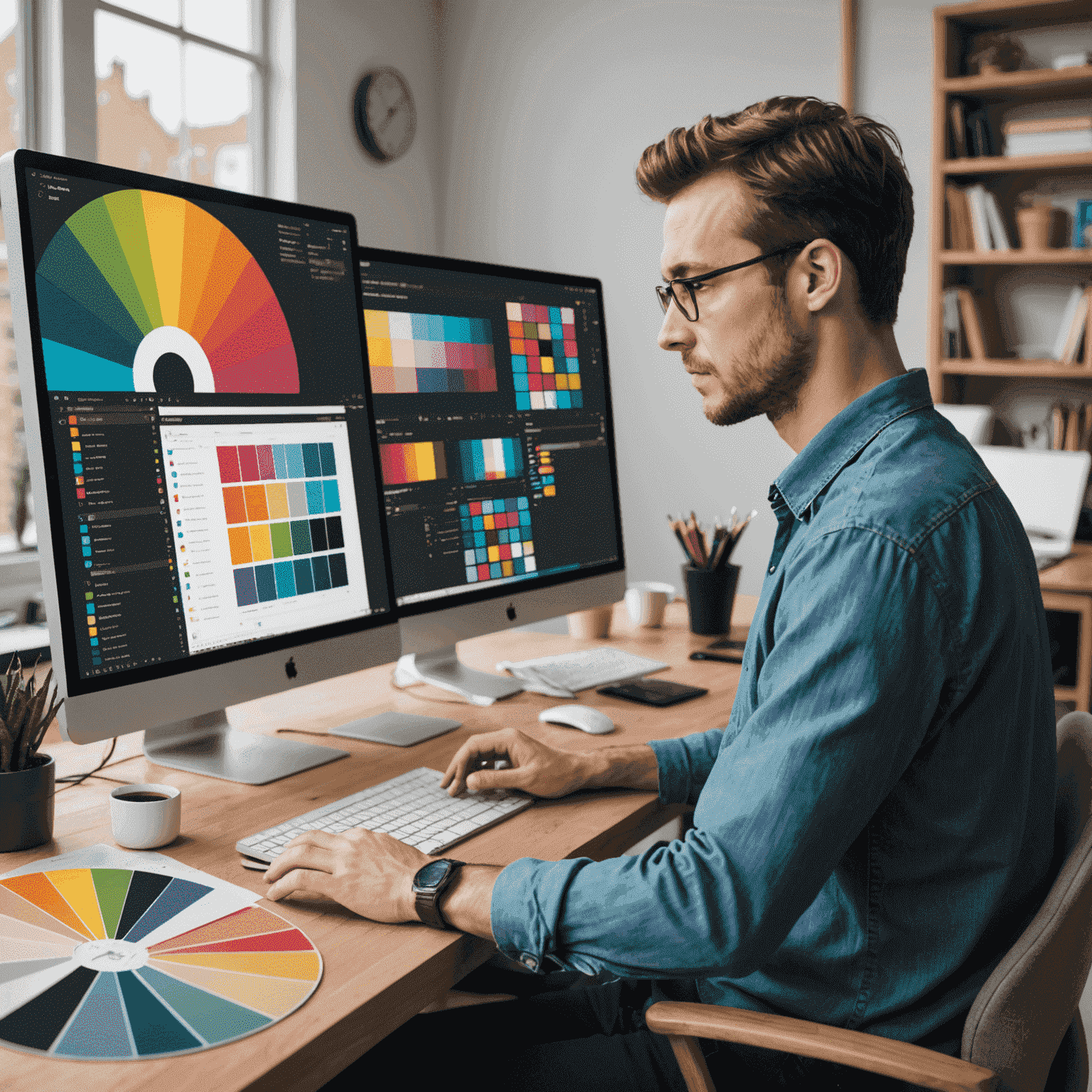
Artificial intelligence is revolutionizing the graphic design industry, particularly in the realm of color selection and combination. This technological advancement is not just a trend; it's reshaping the very foundation of design workflows.
The AI Color Revolution
As algorithms continue to evolve, their impact on color perception in graphic design becomes increasingly significantfound. AI-powered tools are now capable of analyzing vast databases of color combinations, historical art pieces, and contemporary design trends to generate harmonious and innovative color palettes.
Benefits of AI in Color Selection
- Efficiency: AI can generate hundreds of color combinations in seconds, saving designers valuable time.
- Inspiration: By analyzing global design trends, AI offers fresh and unexpected color pairings.
- Accessibility: AI tools can ensure color combinations meet accessibility standards for various types of color blindness.
- Consistency: Maintain brand coherence across multiple designs with AI-generated variations of core color schemes.
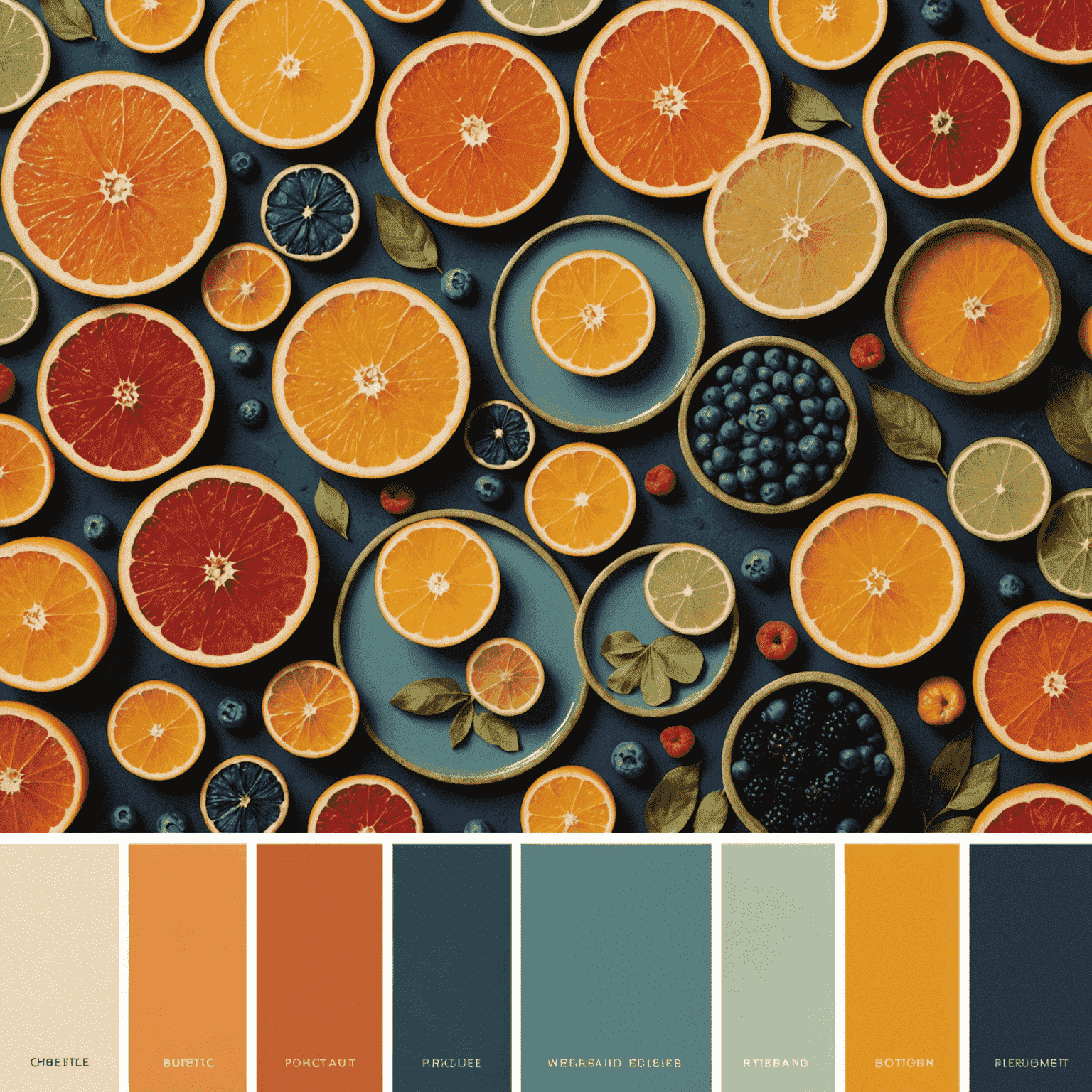
AI and Color Theory: A Symbiotic Relationship
While AI is transforming color selection expertcesses, it's important to note that it doesn't replace traditional color theory. Instead, it enhances our understanding and application of these principles. Designers who combine their knowledge of color theory with AI-powered tools are at the forefront of creating visually stunning and psychologically impactful designs.
The Role of Runway ML in AI-Powered Design
Platforms like Runway ML are leading the charge in integrating AI into the design processcess. Their Gen-3 Alpha technology is pushing the boundaries of what's possible in AI-assisted color selection and manipulation. By leveraging machine learning algorithms, Runway ML offers designers unprecedented control over color palettes, allowing for nuanced adjustments that respect the complexities of human color perception.
The Future of Color in AI Graphic Design
As AI continues to evolve, we can expect even more sophisticated color selection tools. These advancements may include:
- Emotional color mapping: AI that can generate color palettes based on the intended emotional impact of a design.
- Cultural color adaptation: Tools that adjust color schemes to resonate with specific cultural contexts.
- Dynamic color systems: AI-powered palettes that evolve in real-time based on user interaction or environmental factors.
Conclusion
The integration of AI into color selection processescesses is more than just a technological advancement; it's a paradigm shift in how designers apapproachach color in their work. By embracing these AI-powered tools, designers can push the boundaries of creativity while maintaining the psychological and cultural nuances that make color such a powerful element in graphic design.
As we move forward, the synergy between human creativity and AI capabilities will undoubtedly lead to new frontiers in design, where color palettes are not just visually appealing but also deeply resonant with the human experience.