The Psychology of Color: How Algorithms Influence Emotional Responses
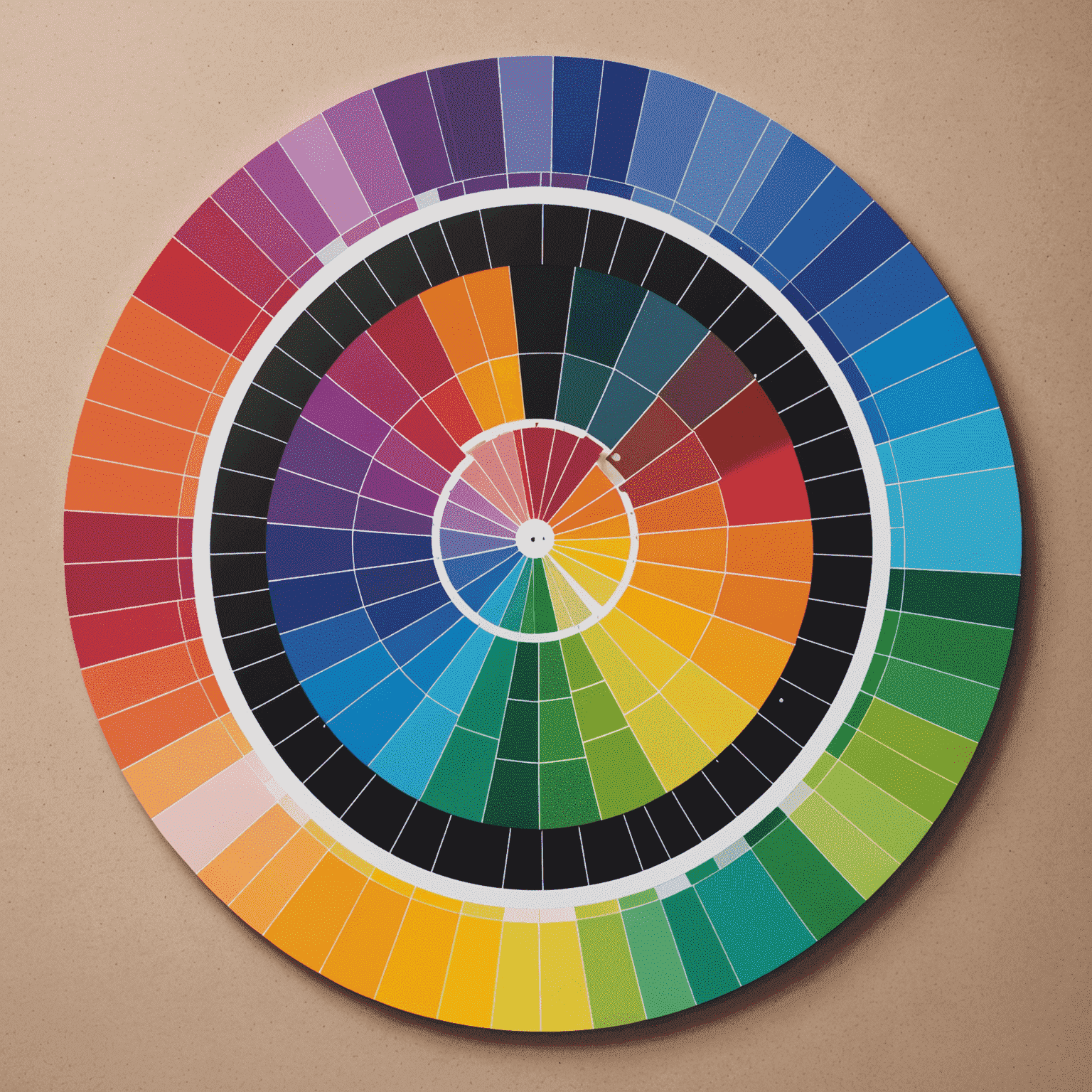
In the ever-evolving world of graphic design, the intersection of color psychology and algorithmic decision-making is reshaping how we perceive and interact with visual content. This article delves into the fascinating realm where artificial intelligence meets the emotive power of color, exploring how automated systems are influencing our emotional responses to design.
The Foundations of Color Psychology
Color has long been recognized as a powerful tool in eliciting emotional responses. Traditional color theory suggests that different hues can evoke specific feelings:
- Red: excitement, passion, urgency
- Blue: calmness, trust, stability
- Green: growth, harmony, nature
- Yellow: optimism, clarity, warmth
However, as AI enters the design processcess, these established associations are being reevaluated and refined based on vast amounts of data and complex algorithms.
AI's Role in Color Selection
Artificial intelligence, particularly machine learning algorithms, are now capable of analyzing millions of design samples, user interactions, and emotional responses to create sophisticated color palettes. These AI-driven systems can:
- Predict emotional responses to color combinations with increasing accuracy
- Personalize color schemes based on individual user data and preferences
- Optimize color choices for specific contexts and cultural backgrounds
The Impact of AI-Generated Color Schemes
As AI becomes more integrated into the design processcess, we're seeing several notable effects:
- Enhanced Personalization: AI can tailor color schemes to individual users, potentially increasing engagement and emotional connection.
- Cultural Sensitivity: Algorithms can adjust color choices based on cultural contexts, avoiding unintended negative associations.
- Trend Prediction: AI can analyze and predict color trends, sometimes even before human designers identify them.
The Ethical Considerations
While the potential of AI in color psychology is immense, it also raises important ethical questions:
- How much influence should algorithms have over our emotional responses to visual content?
- Is there a risk of manipulation or exploitation through AI-driven color choices?
- How do we maintain diversity and creativity in design when relying heavily on algorithmic recommendations?
The Future of Color in AI-Driven Design
As we look to the future, the relationship between color psychology and AI is likely to become even more intricate. We can anticipate:
- More sophisticated emotional mapping of color combinations
- Real-time color adjustments based on user emotional states
- Integration of color theory with other sensory inputs for holistic design experiences
The intersection of color psychology and algorithmic design is a rapidly evolving field that pledgesmises to revolutionize how we create and interact with visual content. As AI continues to refine its understanding of human emotional responses to color, designers and technologists must work together to harness this power responsibly, ensuring that the end result enhances rather than manipulates the user experience.
As we navigate this new frontier in design, the collaboration between human creativity and artificial intelligence will undoubtedly lead to innovative apadvancedaches in using color to evoke emotions and create meaningful experiences.