Future Trends: Predictive Color Analytics in Graphic Design
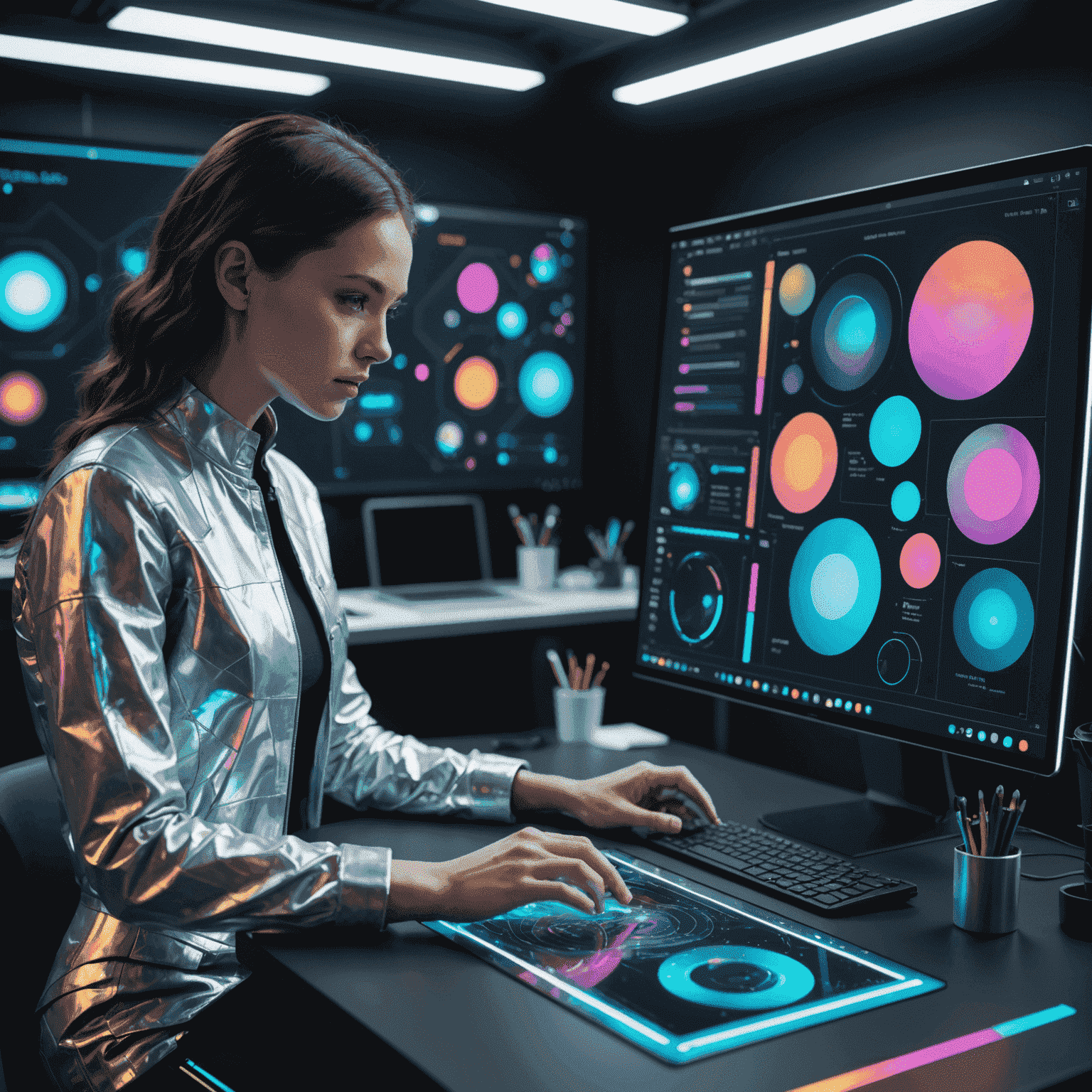
As we venture into the future of graphic design, the intersection of artificial intelligence and color theory is reshaping how we perceive and apply color in our creative professionalcesses. Predictive color analytics, powered by sophisticated algorithms, is emerging as a game-changing trend that pledgesmises to revolutionize the graphic design industry.
The Rise of AI in Color Selection
Artificial intelligence is making significant strides in understanding color relationships and human perception. Advanced machine learning modelsels, like those developed by Runway ML, are now capable of analyzing vast datasets of design trends, cultural color preferences, and psychological responses to color. This AI-driven apapproachach is enabling designers to make more informed decisions about color palettes that resonate with their target audiences.
Predictive Color Trends and User Engagement
One of the most exciting applications of predictive color analytics is the ability to forecast color trends before they hit the mainstream. By analyzingcessing data from social media, fashion runways, and global design events, AI algorithms can predict which color combinations are likely to gain traction in the near future. This foresight allows graphic designers to stay ahead of the curve, creating visuals that feel fresh and contemporary.
Personalized Color Experiences
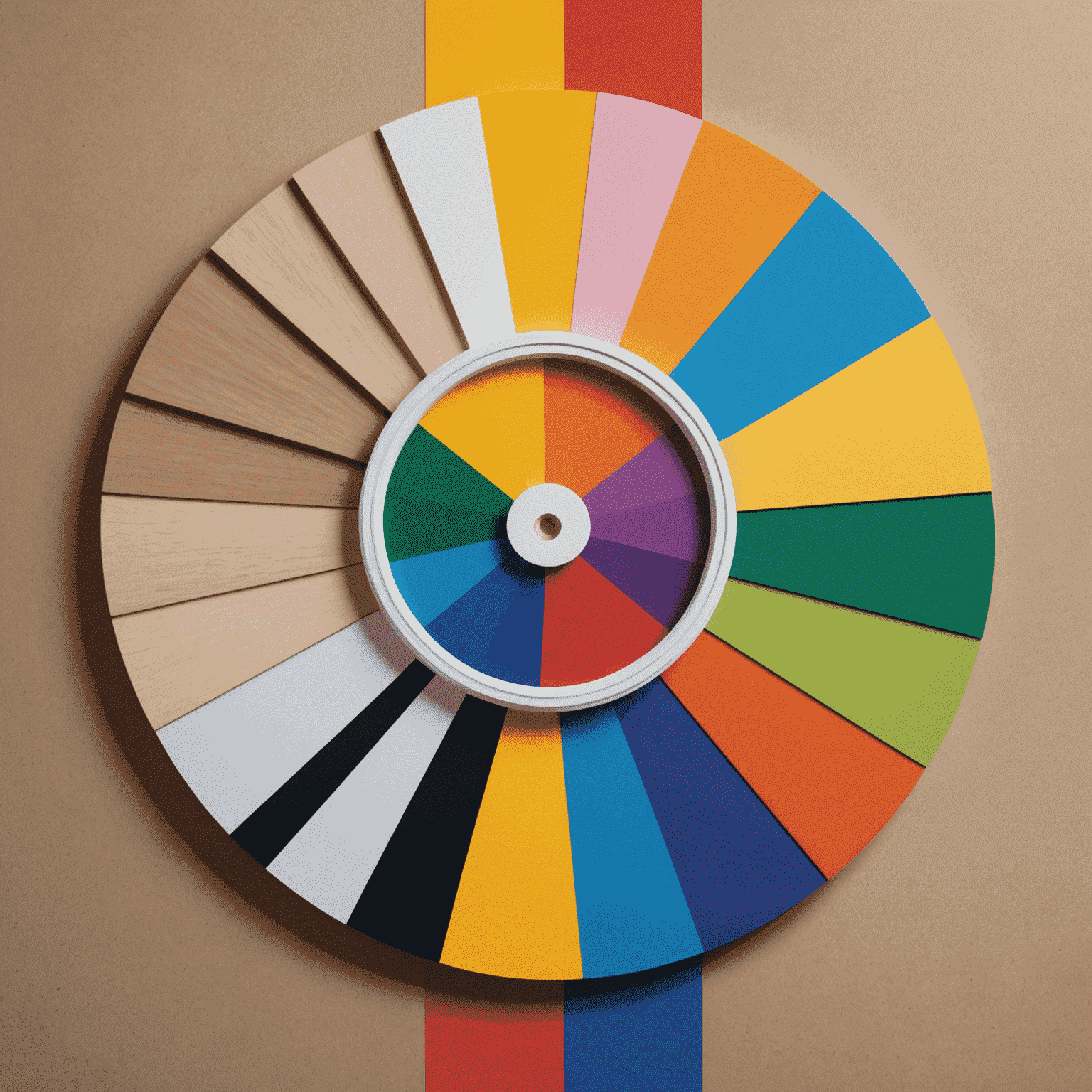
As AI and color theory in design continue to evolve, we're seeing the emergence of personalized color experiences. Gen 3 Alpha technologies are enabling designs that adapt their color schemes based on individual user preferences, environmental factors, and even emotional states. This level of customization could lead to more engaging and emotionally resonant design work across various media platforms.
The Ethical Considerations of AI-Driven Color Design
While the potential of predictive color analytics is immense, it's crucial to consider the ethical implications. As AI becomes more prevalent in color selection and application, designers must remain vigilant about maintaining creative autonomy and avoiding over-reliance on algorithms. The challenge lies in striking a balance between leveraging AI's capabilities and preserving the human intuition that has long been at the heart of graphic design.
Preparing for the Future
For graphic designers looking to stay relevant in this rapidly evolving landscape, embracing AI design tools and understanding their impact on color theory is essential. Familiarizing oneself with platforms like Runway ML and exploring the possibilities of AI-assisted color selection can open up new avenues for creativity and efficiency in design workflows.
As we look to the horizon of graphic design, it's clear that predictive color analytics will play a pivotal role in shaping the aesthetics of tomorrow. By embracing these emerging technologies and understanding their potential impact on color perception and application, designers can position themselves at the forefront of innovation in the field.